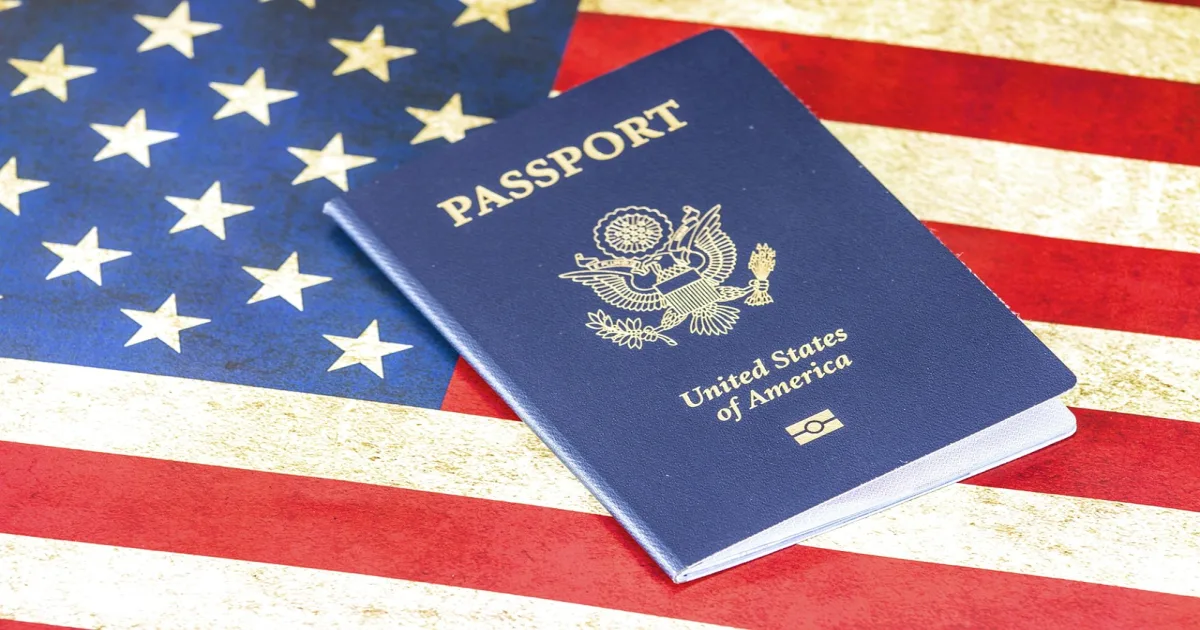
Preparing for your U.S. citizenship interview can be stressful and high-stakes. Latif Law represents individuals and families in Columbus and throughout Central Ohio in naturalization and citizenship matters. We help clients prepare for interviews, avoid common mistakes, and move forward with confidence. We assist clients with Form N-400 (Application for Naturalization) filings, interview preparation, and resolving issues that may affect eligibility for U.S. citizenship. We work with clients throughout Columbus, Franklin County, and Central Ohio.
Schedule a consultation to review your case and prepare effectively.

Why the Citizenship Interview Matters
Your Form N-400 (Application for Naturalization) already sits on a USCIS officer's desk. Your forms are complete. Your background checks are done. But none of that guarantees approval. The interview is where USCIS officers assess whether you truly understand U.S. civics, whether you have genuinely resided in the United States, and whether you possess the good moral character required for naturalization.
A well-prepared applicant can address concerns proactively and demonstrate readiness for citizenship. An unprepared applicant may face additional evidence requests, delays, or worst case—denial.
What You Need to Know About the Columbus USCIS Office
If you filed your Form N-400 in the Columbus area, your interview will be conducted at the USCIS Columbus Field Office. The office processes naturalization cases for a multi-county region of central Ohio. Processing times typically range from 12 to 18 months from filing to interview, depending on USCIS workload and background check complexity.
You will receive an interview notice (Form I-797) by mail approximately 2-4 weeks before your scheduled appointment. This notice includes:
Three Core Areas of Citizenship Interview Assessment
USCIS officers evaluate citizenship applicants across three primary dimensions:
1. English Language Proficiency
USCIS tests your ability to:
You don't need perfect English. You simply need to communicate clearly enough to understand the questions and provide coherent answers. The officer will speak clearly and may repeat questions if necessary. Common concerns about accents or minor grammatical errors should not cause you anxiety—USCIS is evaluating whether you can function in an English-speaking country, not whether you speak like a native news anchor.
2. Civics and U.S. History Knowledge
You will be asked up to 10 civics questions from a pool of 100 possible questions. The civics test evaluates your understanding of:
You must answer at least 6 out of 10 questions correctly to pass. USCIS publishes the complete list of 100 possible civics questions online at uscis.gov/civics—there are no surprise questions beyond this official list.

3. Residence, Physical Presence, and Good Moral Character
This portion of the interview focuses on:
Officers verify your answers against:
How to Prepare: A 60-Day Timeline
Weeks 1-2: Gather Your Documents and Organize Your Life
First, collect every document you've referenced in your N-400:
Create a physical folder organized chronologically. Know where everything is. USCIS officers often ask you to point to or reference specific documents you submitted.
Weeks 2-4: Master U.S. Civics
Download the official USCIS civics study materials from uscis.gov/civics. Read through all 100 possible questions and answers. Don't try to memorize word-for-word—understand the concepts. For example:
Study 15-20 minutes daily. Use online practice tests available through the USCIS website or reputable immigration websites. Many public libraries in Columbus also offer free civics preparation materials.
Weeks 4-6: Practice Mock Interviews
If possible, find a mentor or use community resources:
Mock interviews help you:
Practice answering these types of questions:
Week 6-8: Final Review and Mental Preparation
In the final weeks:
Your Interview Day: What to Expect

Arriving Early
Arrive at least 15 minutes early. Bring:
The Waiting Area
USCIS offices are typically organized by last name or application type. You may wait 30 minutes to 2 hours before being called. This is normal. Remain calm and patient.
The Interview Room
An officer will call your name. You will proceed to a private or semi-private interview space. The officer will:
The interview typically lasts 20-45 minutes depending on your case complexity.
The English Test
The officer will assess your English ability through the entire conversation. Specifically, they will:
If the officer determines you lack sufficient English, you may fail the English portion, but you can still pass overall if you pass the civics and background portions.
The Civics Test
The officer will ask up to 10 civics questions. Some officers ask all 10; others ask fewer if it becomes clear you understand the material. You need to answer at least 6 correctly to pass.
Sample civics questions you may encounter:
The Background and Residence Questions
Be prepared to discuss:
Critical Interview Tips: What Separates Success from Failure
Tip 1: Answer the Question Asked, Not the Question You Wished Was Asked
Many applicants overthink their answers. If the officer asks "How many branches of government are there?" answer "Three"—not a five-minute explanation of what each branch does (unless they ask for more detail).
Short, direct answers are better than rambling responses.
Tip 2: Don't Lie or Exaggerate
USCIS has your background checks. They know your address history, your criminal record (if any), your employment, and your travel. Inconsistencies between what you say and what they've already verified will raise red flags.
If you made a mistake on your N-400, correct it during the interview if it comes up. Honesty and transparency are valued.
Tip 3: Speak Clearly and Ask for Clarification If Needed
If you don't understand a question, ask the officer to repeat it or explain it differently. This is completely normal and expected, especially for non-native English speakers. Officers are accustomed to this.
Tip 4: Don't Guess on Civics Questions
If you don't know a civics answer, say "I don't know" or "I'm not sure." Guessing incorrectly is worse than admitting uncertainty. You can miss up to 4 questions and still pass.
Tip 5: Remain Calm and Professional
You may be nervous—this is completely normal. Officers understand this. Take a breath. Answer thoughtfully. Maintain eye contact. Be respectful and professional throughout.
Tip 6: Bring All Requested Documents
Don't rely on your memory. Bring documents. If the officer asks about your employment in 2022, pull out your tax return or a letter from your employer. Physical evidence supports your credibility.
After Your Interview: What Happens Next
Immediate Decision
In some cases, the officer makes an immediate decision. You may be told on the spot that you passed or that additional evidence is needed.
Request for Additional Evidence (RFE)
If USCIS needs more information, you'll receive a formal RFE letter. You typically have 87 days to respond. This does NOT mean you failed—it means the officer wants clarification on specific issues. See our RFE response guide for what to expect and how to build an effective response.
Approval and Oath Ceremony
If approved, you'll receive a notice and be scheduled for a naturalization oath ceremony. At this ceremony, you will:
Oath ceremonies in the Columbus area are typically conducted in federal court. This is a formal but meaningful event. Many applicants bring family members to celebrate.
Regional Context: Columbus and Ohio Citizenship
Columbus and Ohio have specific characteristics relevant to citizenship applicants:
The Columbus USCIS Office Workload
The Columbus Field Office covers a multi-county region. Processing times fluctuate based on staffing and caseload. Current processing times are typically 12-18 months, but this can vary. Check the USCIS website for current processing times specific to the Columbus office.
Ohio State Government Knowledge
While not heavily tested, you may benefit from knowing:
Local Community Integration
Officers sometimes ask about your community involvement or local knowledge. Being able to discuss:
...can strengthen your application and interview performance.
Addressing Special Circumstances
If You Have a Criminal History
Any criminal conviction, even a misdemeanor, could affect your eligibility. If you have a record, consult an immigration attorney before your interview. Some convictions bar naturalization permanently; others may be addressed through legal strategies.
If You Have Traffic Violations
Minor traffic violations (speeding, parking tickets) typically don't affect citizenship. However, serious violations (DUI, reckless driving) could raise questions about good moral character. Be prepared to discuss them honestly.
If You Have Taken Extended Trips Outside the U.S.
You must maintain physical presence in the U.S. for most of your residency period. Long trips abroad are scrutinized. Have documentation (plane tickets, passport stamps) ready to verify your actual time in the country.
If Your English Is Limited
If you genuinely cannot pass the English portion, you may be eligible for an exception if you are:
You would still need to pass civics. Consult an attorney if this applies to you.
Common Interview Mistakes That Cause Failures
1. Not Reading the Civics Study Materials - Applicants sometimes rely on YouTube videos or random online sources instead of the official USCIS materials. The USCIS questions come from a specific published list. Use official materials.
2. Inconsistent Answers - If you told USCIS on your N-400 that you lived in Columbus from 2020-2026, don't tell the officer you moved three times in that period.
3. Arriving Late or Unprepared - Arriving late, forgetting documents, or appearing disorganized creates a negative first impression.
4. Overly Casual or Disrespectful Demeanor - While you don't need to be stiff, maintain professional courtesy throughout.
5. Relying on an Interpreter When Not Necessary - If you can communicate in English, the officer will conduct the interview in English. Don't avoid speaking English.
6. Guessing All Civics Answers - Multiple wrong guesses suggest you haven't prepared. Preparedness matters.
Why Work With an Immigration Attorney for Your Citizenship Case
While many applicants prepare for citizenship on their own successfully, an immigration attorney can:
Do You Need a Lawyer for Your Citizenship Interview?
Not every naturalization applicant needs legal representation. For straightforward cases—where your residency is continuous, your background is clean, your travel history is simple, and there are no red flags on your N-400—many applicants complete the process on their own.
However, legal help is strongly recommended if any of the following apply to your situation:
Going into a USCIS interview without fully understanding how your personal history may be viewed carries real risk. Denial of naturalization can delay citizenship by years. In more serious cases, an interview can surface issues with broader immigration consequences.
Legal guidance doesn't just help you prepare—it helps you understand where you stand before you sit across from a USCIS officer.
How Latif Law Helps
Latif Law works with citizenship and naturalization clients throughout the Columbus area from the moment they receive their interview notice through the day they take their oath.
Our approach includes:
Our citizenship and naturalization services cover the full naturalization process, including Form N-400 review, interview preparation, and representation through final approval.
Serving Columbus and Central Ohio
Latif Law is based in Columbus, Ohio and serves naturalization clients throughout the region. We regularly work with clients in Franklin County, Delaware County, Licking County, and across Central Ohio.
If your case is pending at the Columbus USCIS Field Office, we are familiar with local procedures, typical processing timelines, and what officers in this jurisdiction routinely examine.
Attorney Ali Latif is trilingual—serving clients in English, Arabic, and Spanish—and has built his practice around Columbus's diverse immigrant community.
Speak With a Citizenship Lawyer in Columbus Ohio
If you are preparing for a citizenship interview or have concerns about your eligibility, schedule a consultation with a citizenship lawyer at Latif Law. We work with clients throughout Columbus and Central Ohio to navigate the naturalization process with clarity and confidence.
Legal Disclaimer: This article is provided for general informational purposes only and does not constitute legal advice. Citizenship and naturalization law is complex and fact-specific. Every case is different. Reading this article does not create an attorney-client relationship with Latif Law, LLC. USCIS procedures and civics questions may change. You should consult a qualified immigration attorney regarding your individual circumstances and current requirements before taking any action.